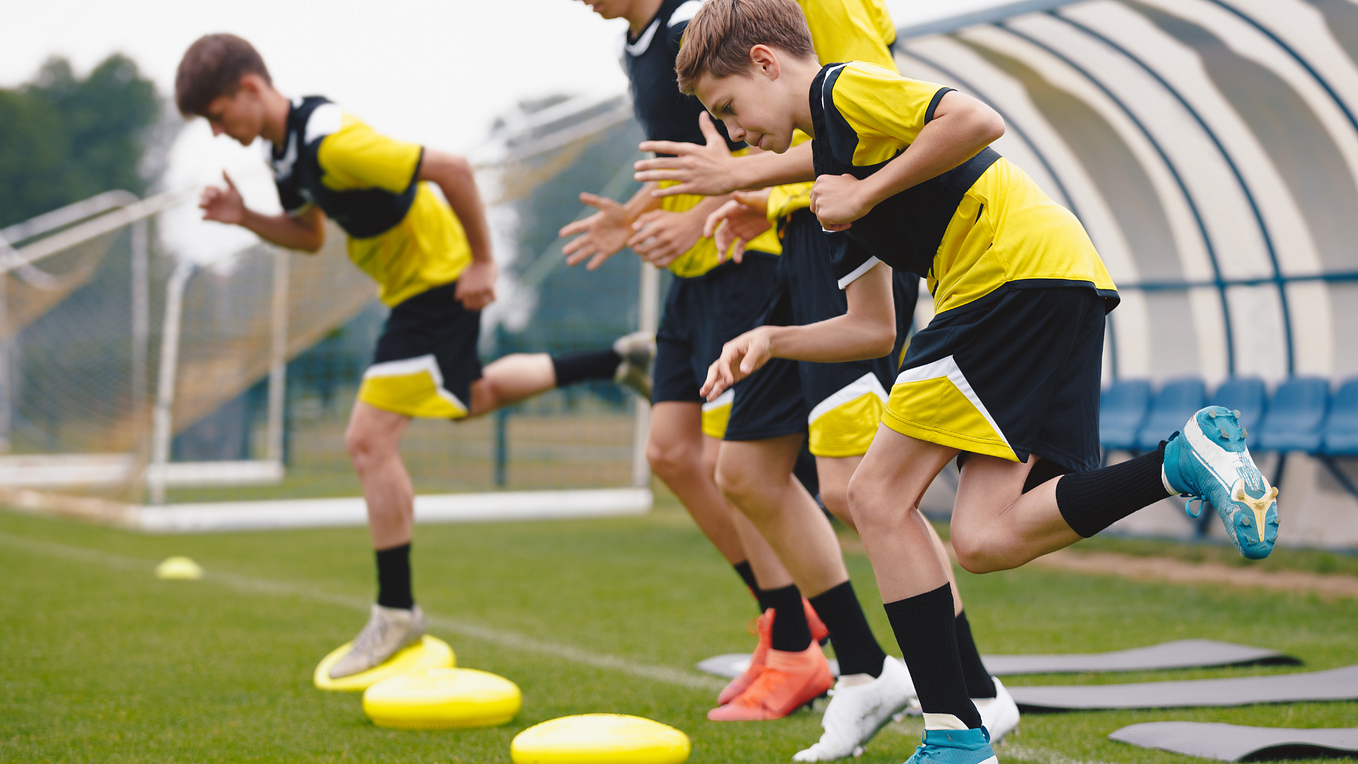
You see it early. The energy. The drive. The way a young athlete runs onto the field like nothing can stop them. But talent alone isn’t enough. Speed fades without conditioning. Strength stalls without structure. That’s where Youth athletic training makes the real difference.
When you invest in athletic training, you’re not just signing up for workouts. You’re choosing a system that builds coordination, strength, balance, and confidence at the right stage of development. Young bodies aren’t miniature adults. They need guidance that matches their growth, not random intensity.
The goal isn’t just winning today. It’s building athletes who stay healthy, improve steadily, and compete with confidence for years to come.
Why Youth athletic training Matters Early
You might think, “They’re young. They’ll naturally get stronger.” And yes, growth helps. But structured Youth athletic training ensures that strength develops evenly and safely.
Early training focuses on movement quality. Proper sprint mechanics. Controlled landing from jumps. Core stability that supports posture. These basics sound simple, yet they’re often overlooked. When young athletes skip foundational skills, they build habits that limit performance later.
In organized sessions, athletes learn how to move efficiently. They practice acceleration, agility, and balance drills. Strength exercises use correct form before adding resistance. That attention to detail prevents common issues like knee strain or lower back discomfort. It’s about building the engine before pushing for speed.
Developing Strength the Right Way
There’s a misconception that strength training for youth is risky. Done improperly, yes. Done correctly, it’s one of the safest and most beneficial tools available.
With professional athletic training, exercises are age-appropriate and supervised. Bodyweight movements come first. Squats, lunges, push-ups. Once technique is consistent, light resistance is introduced gradually.
This approach builds muscular endurance and joint stability. Young athletes feel stronger during practices. They hold their ground better in contact sports. They recover faster between games.
And here’s something parents notice quickly. Confidence grows alongside strength. When athletes feel physically prepared, they perform with more certainty.
Bridging the Gap with Sports Performance Training
As young athletes mature, Sports performance training becomes the next step. The focus expands from fundamentals to sport-specific power and speed.
Acceleration drills sharpen that explosive first step. Plyometrics increase vertical jump and quickness. Lateral movement training improves change-of-direction control. These elements directly transfer to game situations.
A soccer player accelerates past defenders. A basketball athlete elevates higher for rebounds. A hockey player changes direction smoothly without losing balance. These aren’t random gains. They come from structured progression.
Sports performance training builds on the foundation established in earlier phases of Youth athletic training. Without that base, advanced drills can overwhelm the body. With it, development feels natural and steady.
Injury Prevention as a Priority
Youth sports participation has increased significantly. So have injuries. Overuse, poor mechanics, and lack of recovery often play a role.
Structured Youth athletic training addresses these risks head-on. Mobility routines keep joints moving properly. Core strengthening supports spinal alignment. Glute activation reduces knee stress during cutting movements.
Athletes also learn the importance of warm-ups and cooldowns. Instead of rushing into drills, they prepare muscles and tendons properly. Over time, this habit becomes second nature. It’s not just about pushing harder. It’s about training smarter.
Building Discipline and Accountability
There’s another benefit that doesn’t show up on a stat sheet. Discipline. Consistent Youth athletic training teaches time management and responsibility. Athletes show up on schedule. They follow structured plans. They learn that progress takes patience.
Sessions are organized, purposeful, and measurable. Improvements in sprint times, jump height, or strength numbers are tracked. Seeing progress motivates young athletes to stay committed.
That consistency builds mental resilience. When challenges appear during competition, they rely on preparation rather than panic.
A Supportive Training Environment
Young athletes thrive in environments where coaching is firm but encouraging. Structured Youth athletic training provides that balance.
Coaches correct form without criticism. They push intensity without ignoring safety. They recognize effort, not just outcomes.
Athletes train alongside peers who share similar goals. That camaraderie fuels motivation. Healthy competition pushes everyone forward.
Parents often notice improved focus at school and better energy levels at home. Physical training supports overall development.
At Last: Long-Term Athletic Growth
The ultimate purpose of athletic training isn’t early specialization or burnout. It’s sustainable growth.
Programs are designed in phases. Early years focus on coordination and movement literacy. Middle stages introduce structured strength and speed. Advanced phases emphasize sport-specific power and conditioning.
This progression prevents plateaus. It also protects long-term health.
At Untamed Sports Performance, structured programming supports athletes through every stage of development. From foundational Youth athletic training to advanced performance work, the approach remains focused on safe progression and measurable results.
When you choose dedicated Youth athletic training, you’re investing in more than immediate performance. You’re building stronger, faster, and more confident athletes prepared for long-term success.
Start Strong with Youth Athletic Training Today
Take the next step in Youth athletic training and help your athlete grow with confidence. Contact Untamed Sports Performance at UntamedPerformance@Gmail.com to schedule an evaluation and learn how structured training supports lasting athletic development.
FAQs
1. At what age should Youth athletic training begin?
2. How is Sports performance training different from regular practice?
Leave a Reply